Community Engagement
Navigate The Page
Approach To Engagement
The MAG Rio Reimagined Active Transportation Study is focused on establishing a continuous, regionally connected trail and active transportation network along the Salt and Gila river corridors. The study seeks to identify preferred trail alignments, improve bicycle and pedestrian connectivity, and develop recommendations for infrastructure investments that enhance safety, accessibility, and multimodal mobility throughout the corridor. By connecting communities, parks, employment centers, recreational destinations, and existing regional trail systems, the study advances the broader vision of creating a cohesive and accessible river corridor that serves residents and visitors across the Valley.
The study supports the larger Rio Reimagined initiative, a collaborative effort launched in 2018 when 10 partner agencies signed a Statement of Intent to work together toward a shared vision for the river corridor. Participating agencies include the cities of Avondale, Buckeye, Goodyear, Mesa, Phoenix, and Tempe; Maricopa County; the Salt River Pima-Maricopa Indian Community (SRPMIC); the Gila River Indian Community (GRIC); and the Salt River Project (SRP). Together, these partners are pursuing opportunities to transform approximately 90 miles of river corridor into a vibrant regional asset that supports recreation, active transportation, environmental stewardship, economic development, and community connectivity.
Community and Stakeholder Engagement Plan
A key component of the study was the development of the Community and Stakeholder Engagement Plan, which provided a comprehensive framework for engaging agency partners, community organizations, user groups, stakeholders, and residents throughout the planning process. The outreach program was designed to build awareness and support for the project while gathering meaningful input to guide the development of short-term, mid-term, and long-term capital improvement projects. Emphasis was placed on reaching a broad and diverse audience that reflects the unique communities, cultures, and interests represented throughout the 90-mile corridor. Input was gathered through public outreach activities to ensure that the study recommendations align with community priorities and support the shared regional vision for the corridor.
Project Branding
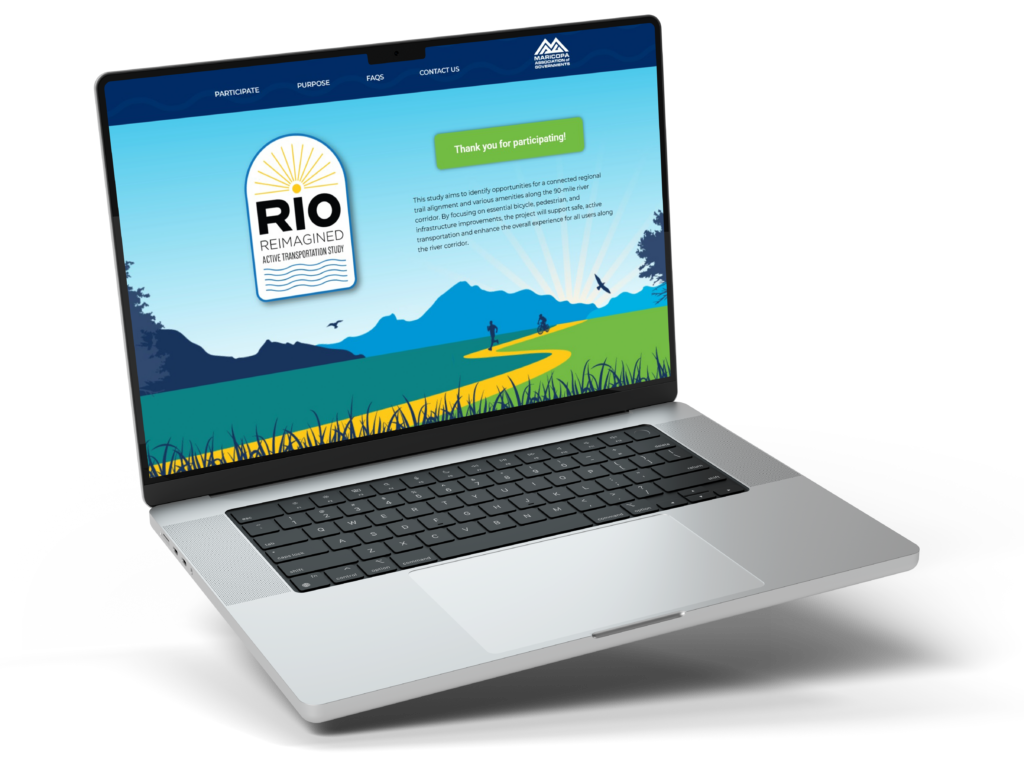
One of the initial first steps of the Community Outreach and Stakeholder Engagement Plan was the development of a dedicated project brand for the Rio Reimagined Active Transportation Study. Given the number of initiatives, partnerships, studies, programs, and implementation efforts currently operating under the broader Rio Reimagined umbrella, establishing a distinct yet complementary brand for the Rio Reimagined Active Transportation Study was important to the success of the project. Establishing a clear and recognizable project identity helped increase public awareness, improve stakeholder recognition, and communicate how the Rio Reimagined Active Transportation Study fits within the broader Rio Reimagined initiative. As a highly visible, regionally significant effort spanning multiple jurisdictions, a strong brand provided a consistent platform for outreach materials, public meetings, online engagement, and project communications, helping community members easily identify and engage with the study.
Project Business Cards and QR Code Outreach Strategy
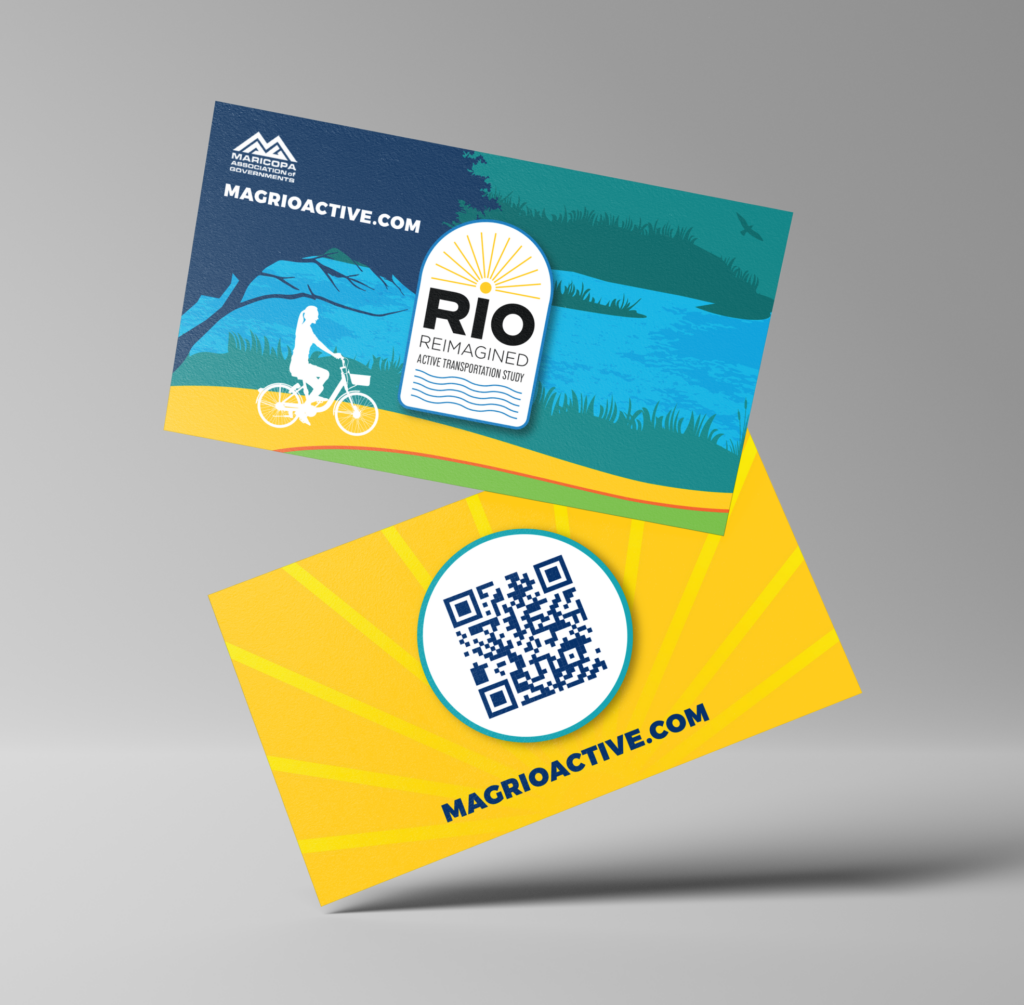
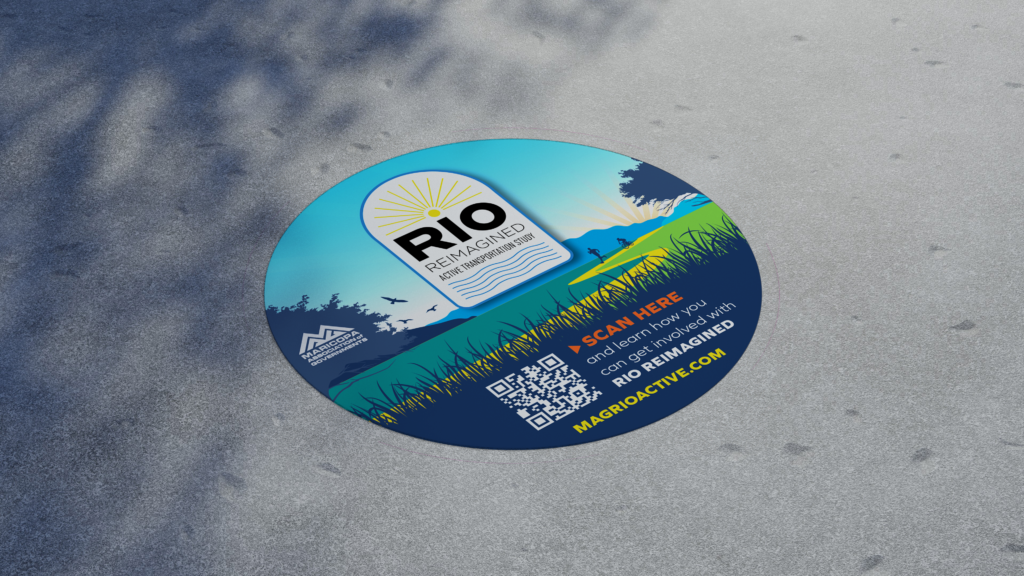
To expand awareness of the Rio Reimagined Active Transportation Study and increase participation in the online engagement program, the project team developed and distributed branded project business cards featuring a QR code that directed users to the project website. These business cards served as a simple yet highly effective outreach tool, allowing community members to quickly access project information and participate in the study using their smartphones or mobile devices.
The business cards were distributed at community events, stakeholder meetings, public outreach activities, agency coordination meetings, and informal engagement opportunities throughout the study area. The use of branded business cards also reinforced the project’s visual identity and helped establish recognition for the Rio Reimagined Active Transportation Study within the broader Rio Reimagined initiative. Because the Rio Reimagined corridor spans multiple jurisdictions and serves a diverse population, the cards provided a convenient method for extending engagement beyond face-to-face interactions. Rather than requiring participants to remember a website address or search for project information later, the QR code provided immediate access to the project website and its suite of engagement tools.
Community Engagement Activities Summary
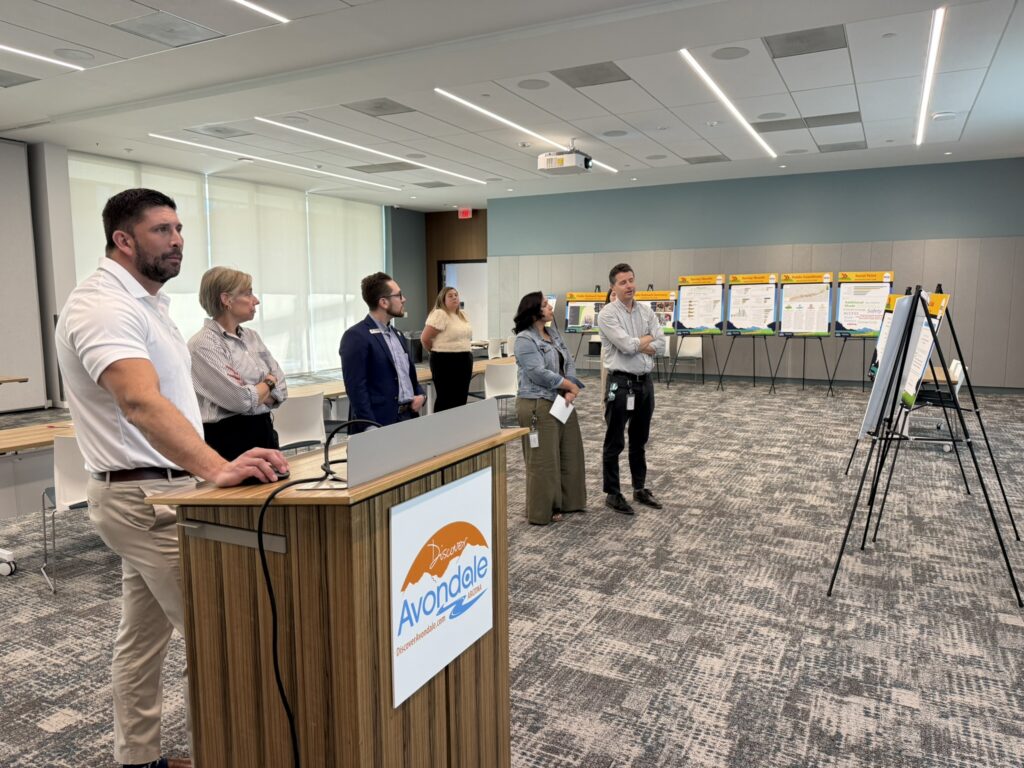
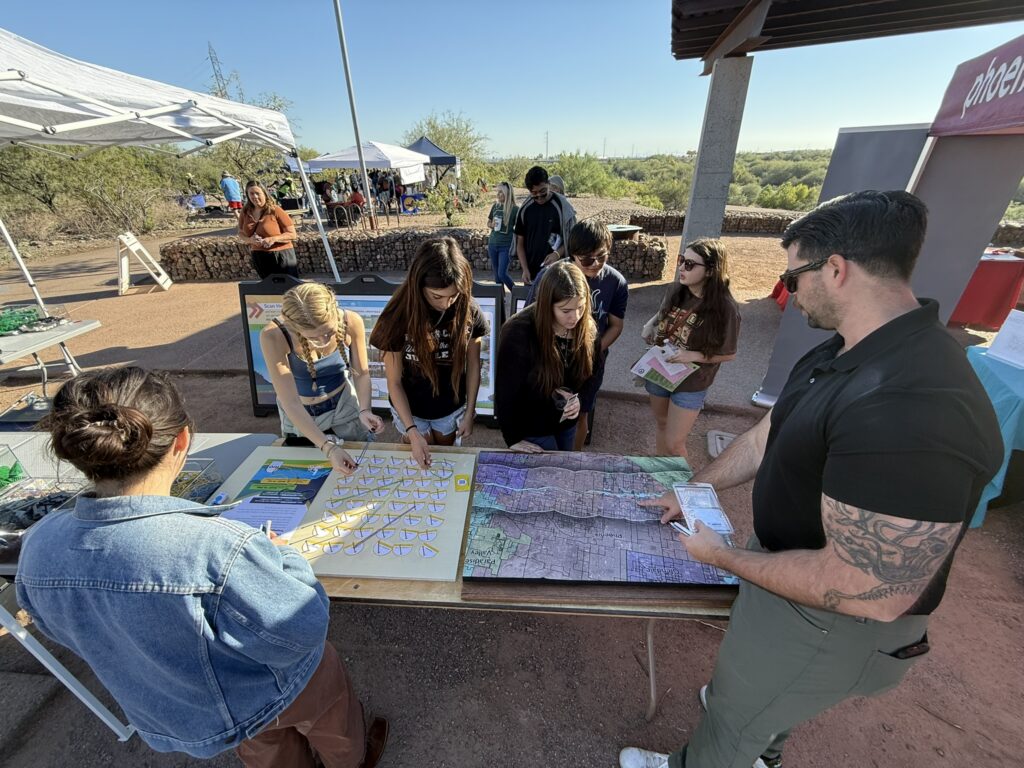
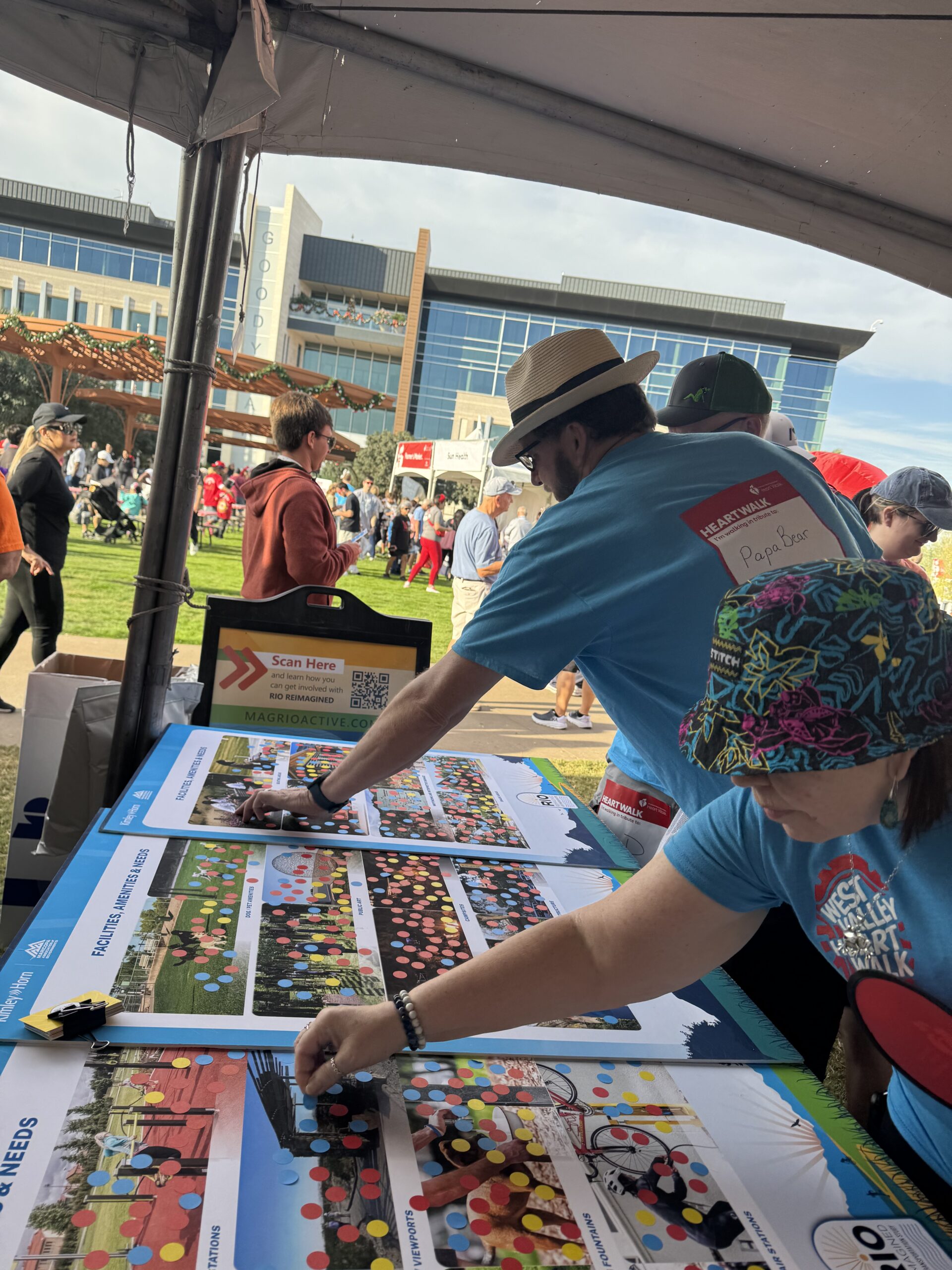
The community engagement process successfully incorporated both virtual and in-person participation opportunities to ensure broad, inclusive, and equitable public involvement. Recognizing that community members have varying schedules, transportation options, comfort levels, and preferred methods of engagement, the outreach program offered several alternatives for providing input. In-person activities, including public meetings, workshops, stakeholder discussions, and interactive exercises, created opportunities for direct conversation, relationship building, and hands-on participation. Complementing these efforts, virtual engagement tools such as the project website, online surveys, interactive mapping activities, and digital feedback platforms provided convenient and accessible ways for residents to participate at their own pace and from any location. This multi-faceted approach helped reduce barriers to participation, expanded the reach of the engagement program, and captured a broader range of perspectives, resulting in more representative community input and a project vision that better reflected the diverse needs, priorities, and aspirations of communities throughout the Rio Reimagined corridor. The following table summarizes the engagement tools and activities utilized for the project:
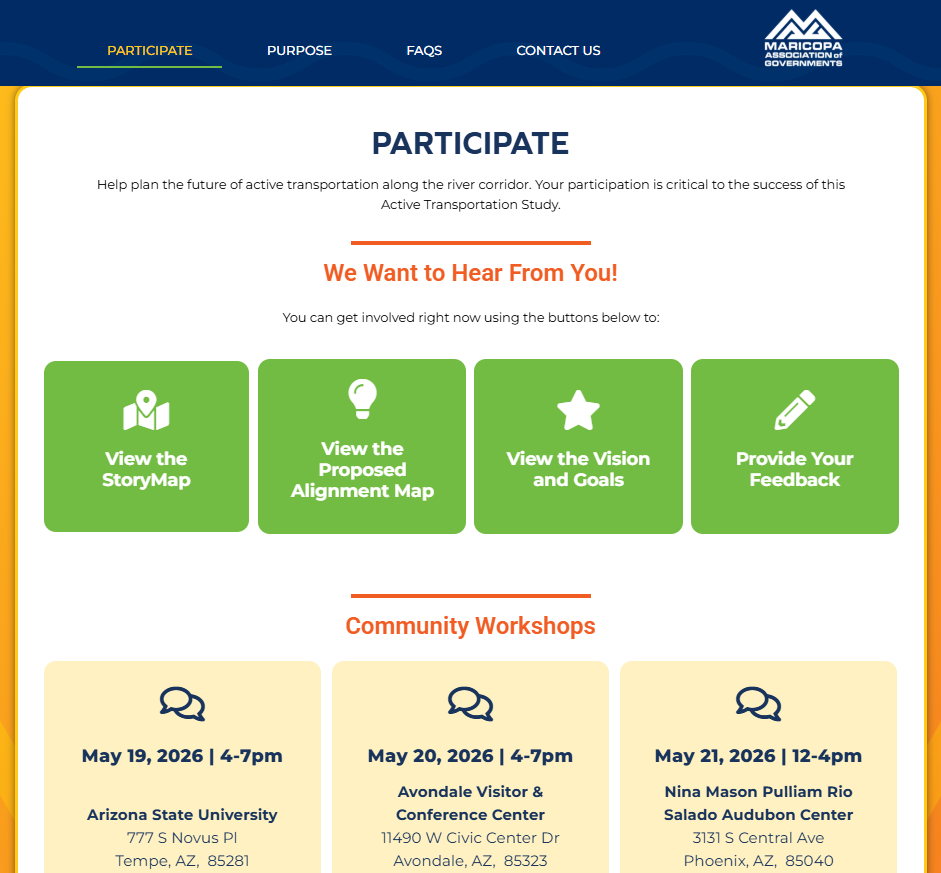
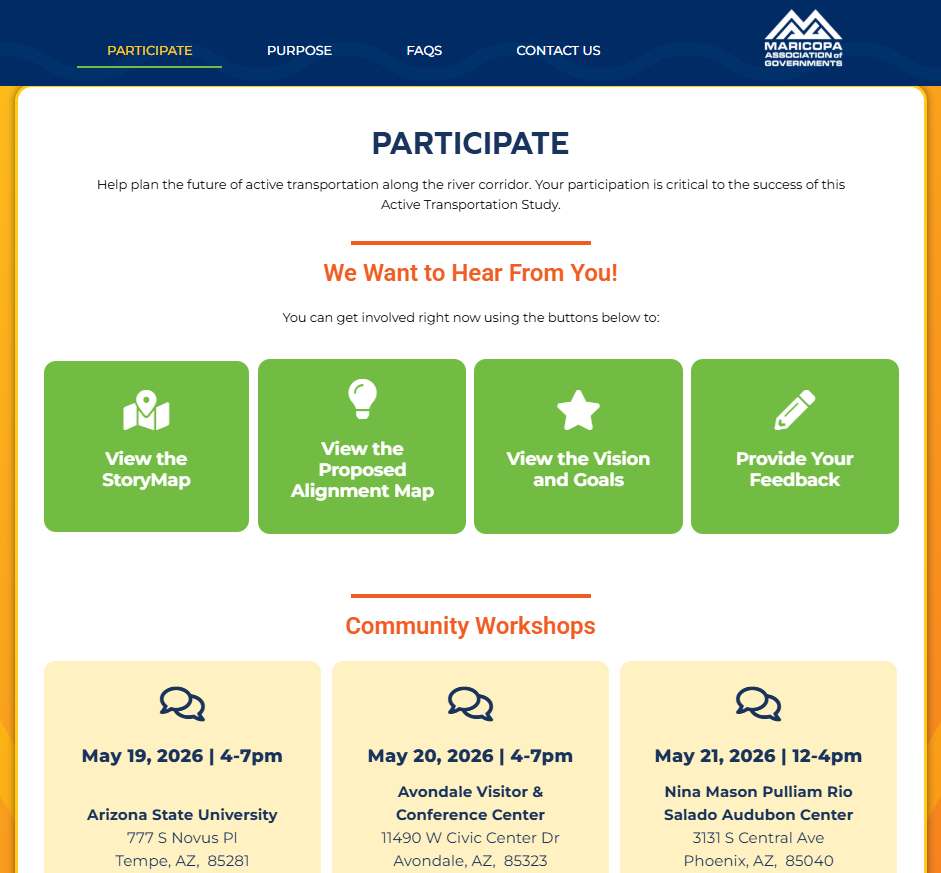
Interactive Project Website
Central online hub providing project information, study updates, engagement opportunities, surveys, maps, and outreach materials.
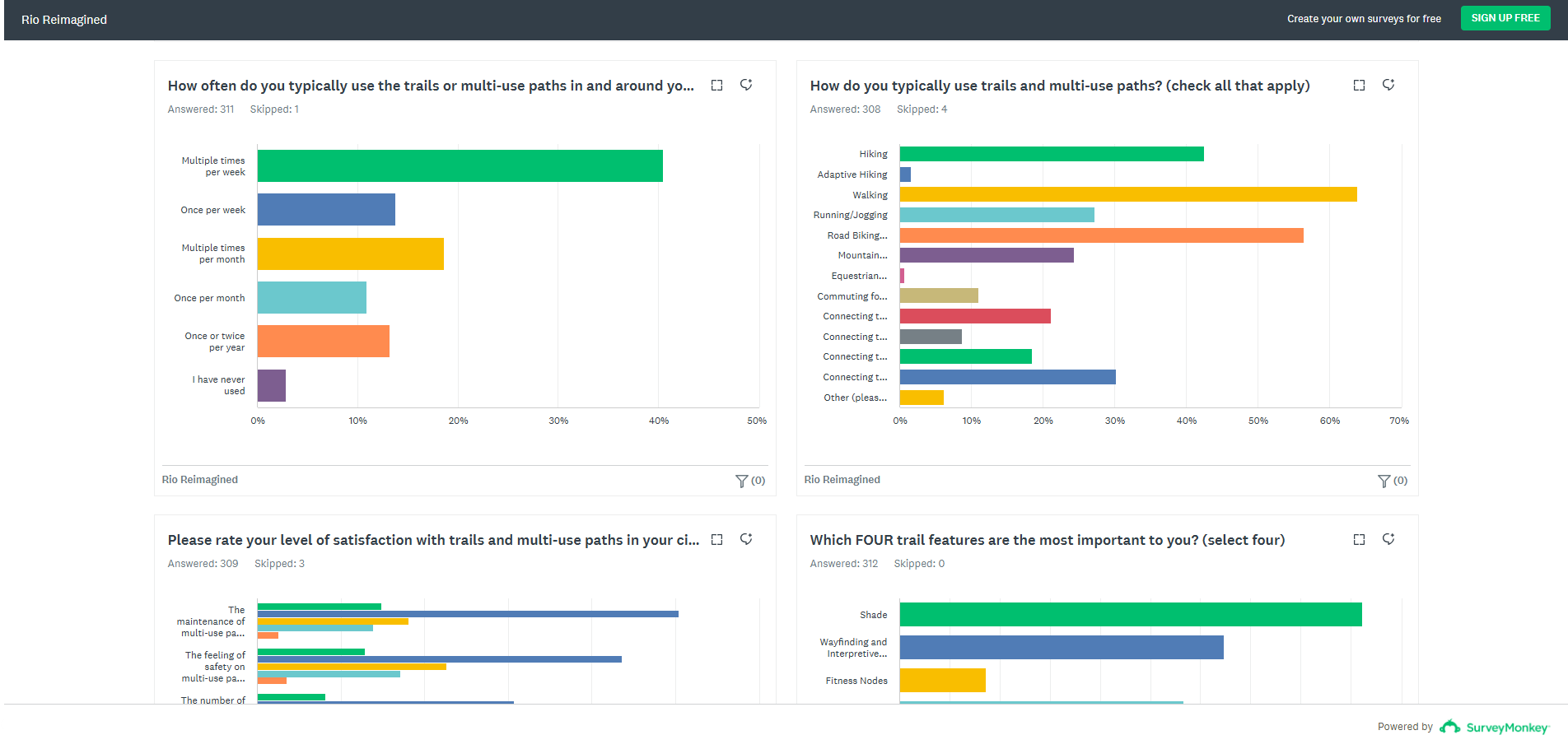
Online Community Survey
Collected information regarding trail usage, desired amenities, safety concerns, connectivity needs, and future priorities.
Interactive Mapping Exercise (Public Coordinate)
Enabled participants to identify corridor barriers, opportunities, gaps, destinations, and safety concerns through map-based comments.
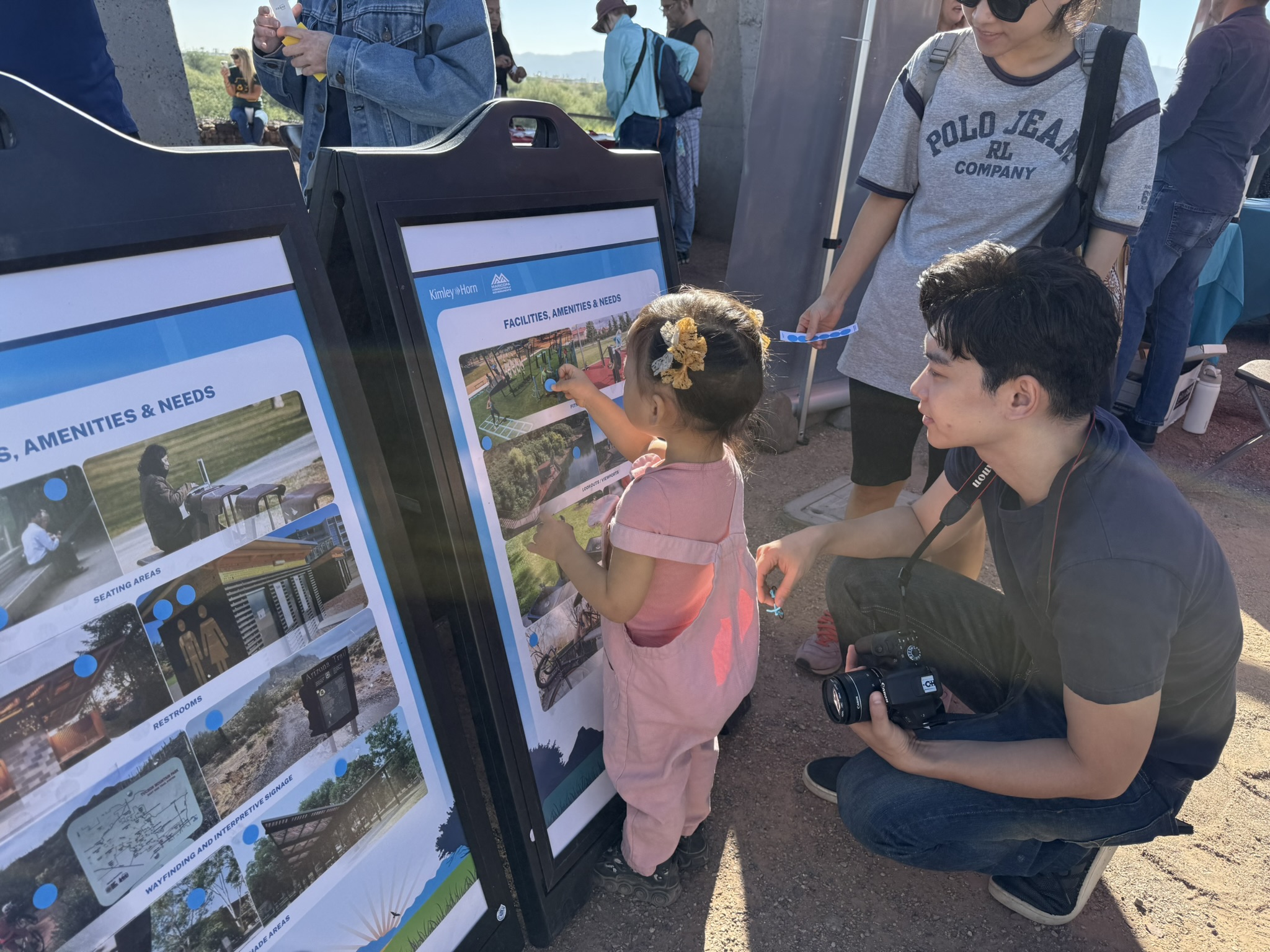
Dot-Ocracy Voting Exercise
Allowed participants to prioritize desired amenities and corridor improvements through a visual voting process.
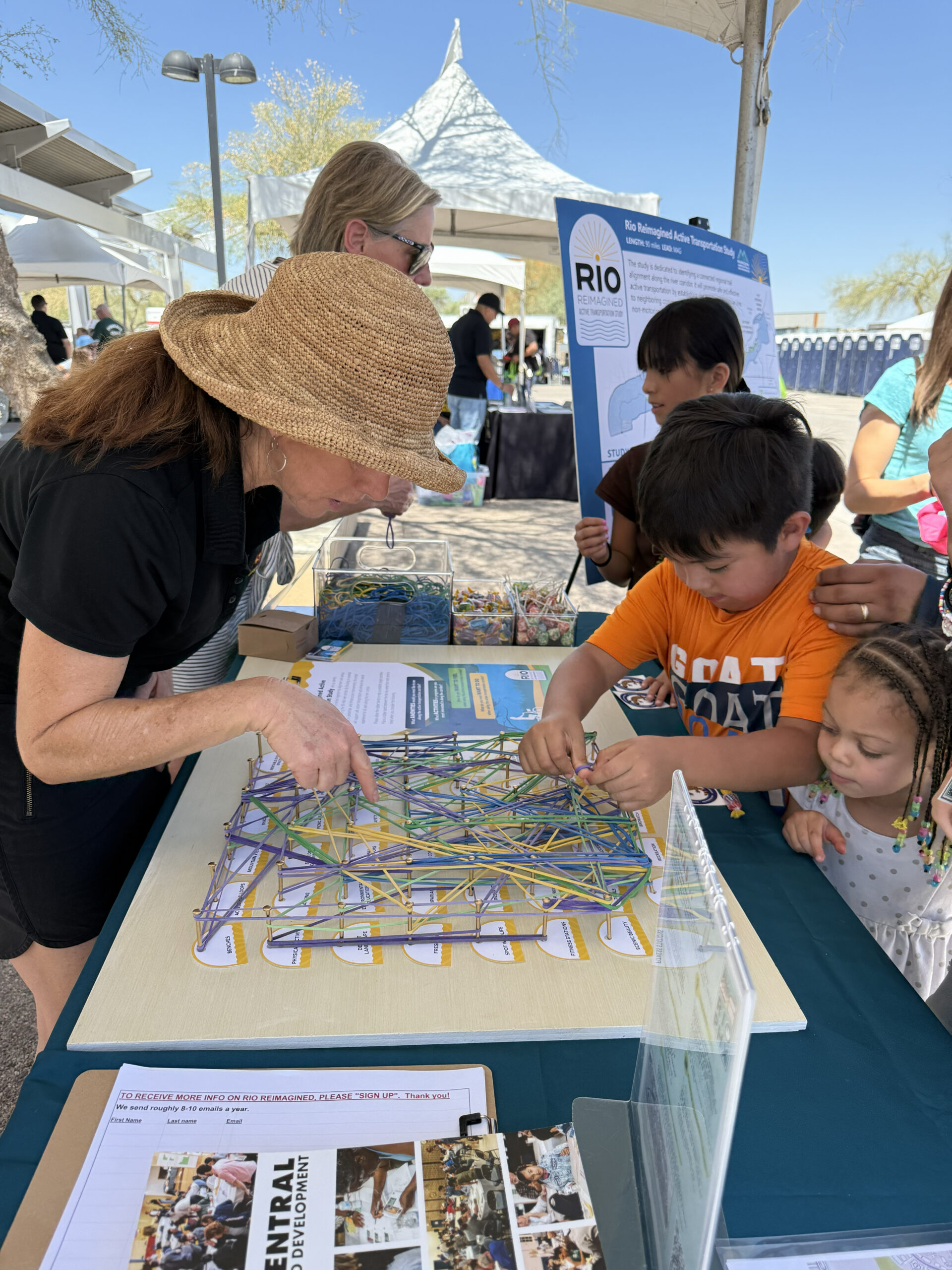
Rubber Band Board Activity
Explored desired activities, experiences, amenities, and feelings associated with the future Rio Reimagined corridor.
"Share Your Big Idea" Forum
Open-ended platform for submitting visionary ideas and innovative concepts for the future of the corridor.
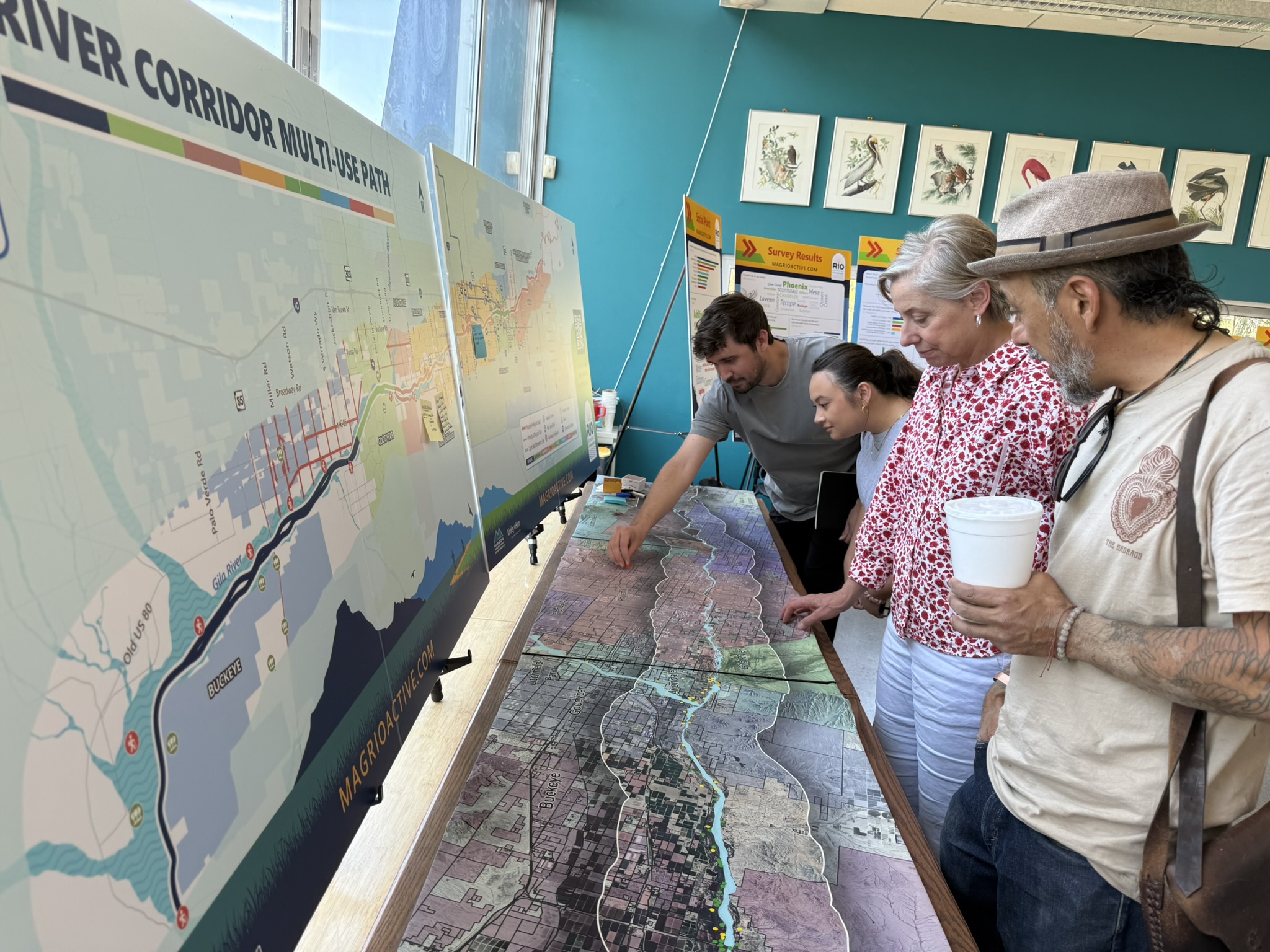
3D Rio Reimagined Corridor Model Map
Physical model used to help participants understand the regional corridor, identify existing and desired access points, evaluate connectivity opportunities, and recommend future trailheads, crossings, and gateway locations.
LEGO Visioning Activity
Engaged participants in building physical models representing their vision for the future corridor, destinations, and community spaces.
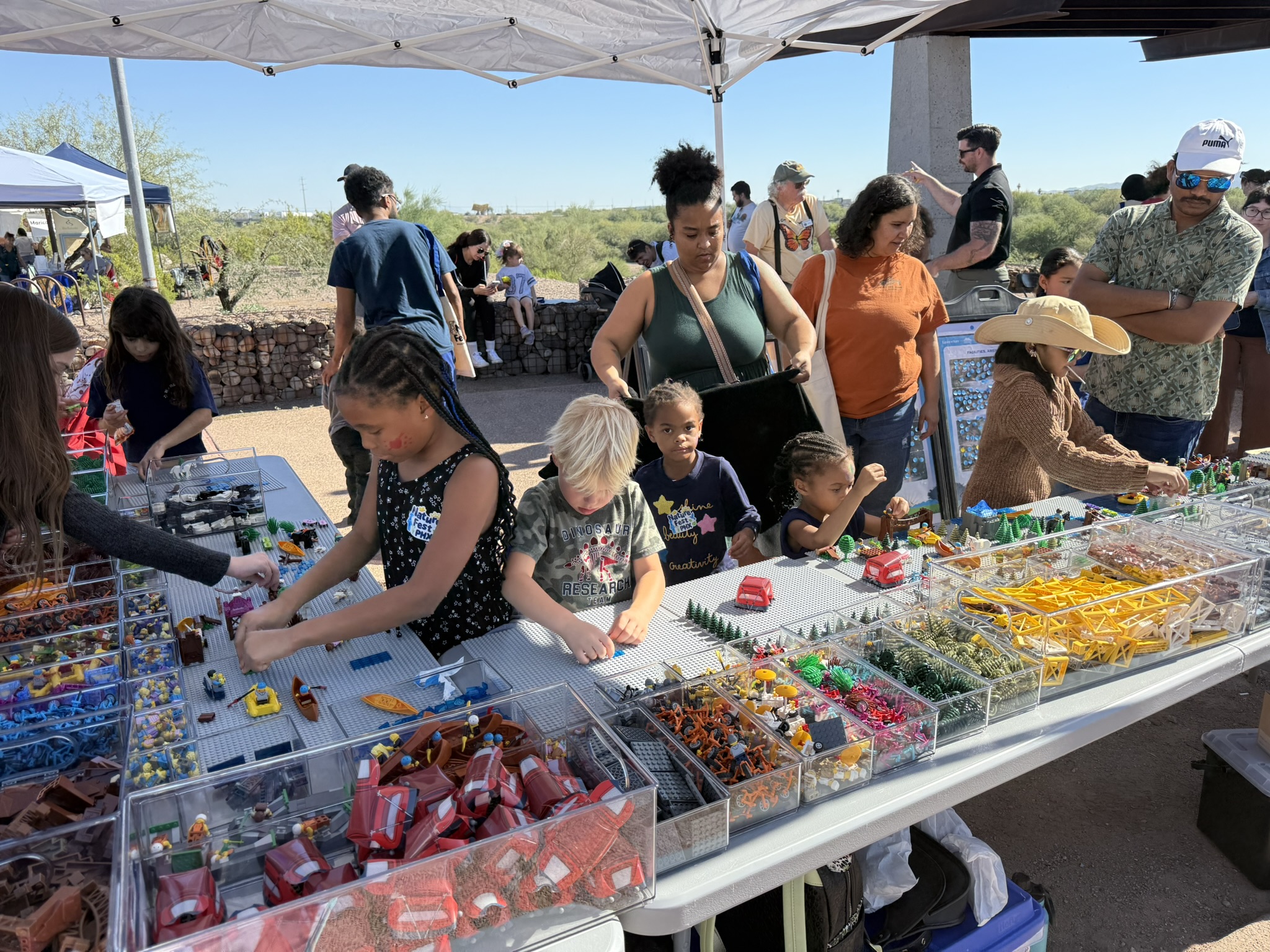
Together, these engagement activities created a comprehensive outreach program that provided multiple ways for residents, stakeholders, and corridor users to participate in the planning process while helping shape the vision, goals, and recommendations for the Rio Reimagined Active Transportation Study.